
In a report by Statista, global M&A activity amounted to $2.5 trillion in 2023, with small-cap deals accounting for a significant portion of this growth.1 For the small cap M&A segment, this is a cut above the rest. However, the segment faces distinct hurdles that can derail transactions if not properly managed. Tunes that signal issues of high valuation expectations, regulatory scrutiny, integration and other concerns have become a snooze fest on Wall Street and the corporate world in general. No doubt they’re challenges, the big deal really, is how to remedy these challenges.
HIGHLIGHTS & KEY TAKEAWAYS
- Small-cap M&A transactions are highly sensitive to economic shifts. Acquirers must apply financial resilience techniques, like hedging and scenario-based stress testing, to manage these risks and maintain transaction value.
- Due diligence in regulated sectors such as healthcare and finance is essential, as small-cap companies may lack the resources for comprehensive compliance frameworks, increasing acquirers’ exposure to regulatory risks post-acquisition.
- Small-cap companies often struggle with limited financing options. Employing flexible deal structures and a diversified funding strategy can help mitigate risks and enhance deal completion chances in volatile markets.
- Cultural and operational integration is a key hurdle for small-cap M&A. Tailored integration plans and clear communication can bridge gaps and align goals, helping maximize the acquisition’s long-term value.
The Importance of Small-Cap M&A
Oncogene Therapeutics, a biotechnology firm specializing in targeted cancer therapies, completed a small-cap deal with MedVax for $50 million.2 This partnership provided access to innovative drug discovery platforms, but Oncogene’s ability to scale its operations remained constrained by funding limitations and regulatory hurdles. What is staring you in the face is simply a bitter but blunt reality; small-cap companies have innovative products or services but very often lack the resources to scale effectively. In 2023, Barclays hinted that small-cap M&A transactions were driven by strategic buyers looking to enhance their competitive positioning through targeted acquisitions.3 This is a rather clear pointer to one item-acquisitions can provide small cap firms with the capital, expertise, and market access needed to accelerate their growth and bridge this gap.
Key Challenges in Small-Cap M&A Transactions
Valuation Complexities
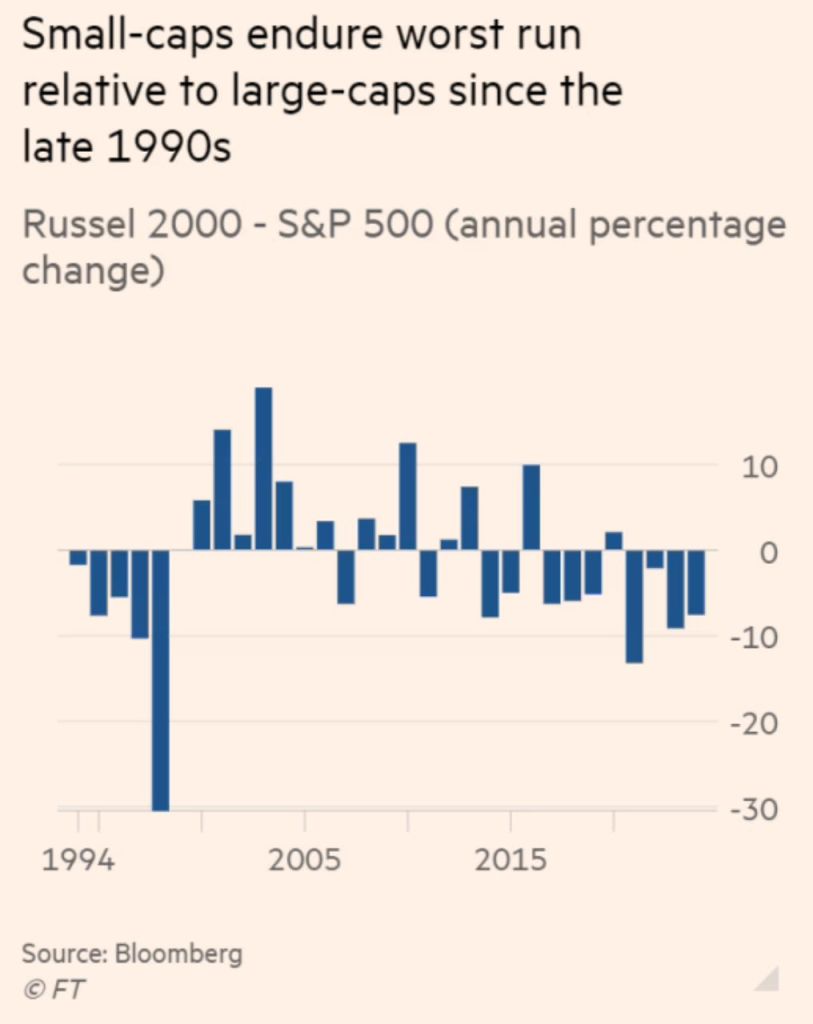
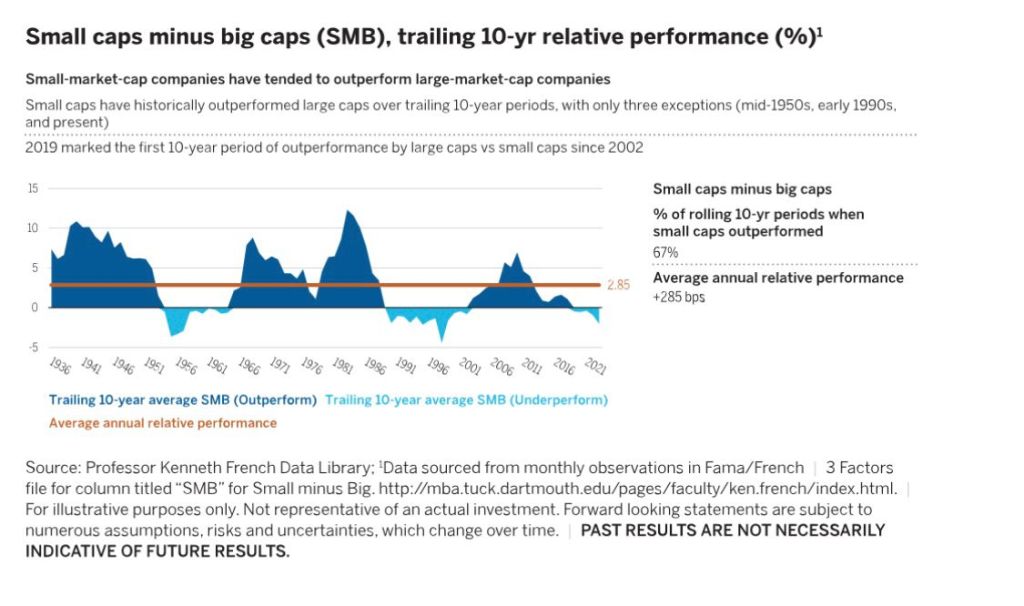
One of the primary difficulties in small-cap M&A is determining an accurate valuation. Small-cap companies typically have less predictable cash flows, a shorter operating history, and often lack the financial rigor of larger firms. This creates a challenge for both buyers and sellers in finding common ground. Valuation is made even more complex by external factors, such as market volatility and changing economic conditions. Wellington Management in a report titled, “A turning point for US small caps” had this to say; “small caps have underperformed for more than a decade, leaving the relative valuation gap between the two the widest it has been since the dot-com bubble 25 years ago. On a forward price-to-earnings basis, small caps are trading at 14x, versus large caps at 20x — a 30% discount.” Some analysts argue that the valuation gap is due to inconsistent data or over-reliance on optimistic forecasts. If this is rightly so, it poses a great challenge.
A good way to address this challenge would be to make sure that buyers establish clear and realistic valuation metrics early in the negotiation process. A number of approaches can be utilized to make this seamless. Multiple valuation approaches—such as discounted cash flow (DCF), comparable company analysis, and precedent transactions—over the years have helped to create a more balanced perspective on value. Engaging third-party valuation experts can also provide an unbiased assessment that facilitates forward moving discussions. Sellers should also prepare thoroughly by having solid financial documentation and realistic growth projections. Buyers, on the other hand, should engage in thorough due diligence to uncover potential risks or hidden value.
Limited Access to Capital for Financing

Securing financing for small-cap acquisitions can be particularly challenging given tighter credit markets and fluctuating interest rates. Data from the S&P Global Market Intelligence supports this. It reported that private equity firms held a record $2.62 trillion in uncommitted capital as of July 2024; however, many are hesitant to deploy this capital due to economic uncertainties. 4
Not to go into details but a 2018 acquisition of a small tech firm by a private equity group stalled for months due to financing challenges. The buyer faced difficulties in securing debt financing because the target company lacked the collateral typically needed for such loans.
To address issues of financing, both parties should always consider alternative financing options. Buyers should consider mezzanine financing, private equity backing, or structured earn-outs. Sellers can help by offering seller financing, where a portion of the sale price is paid over time. It is advisable that both sides should foster strong relationships with banks and financial institutions well before the deal closes. PwC’s Deal Financing Guide advises structuring the deal creatively to bridge any financing gaps while avoiding excess leverage.
Due Diligence and Information Asymmetry

An Investopedia piece shows that insufficient due diligence is one of the top reasons M&A deals fail to meet their objectives. The article states that “approximately 70% to 90% of acquisitions are failing.”5 To exclude small cap M&As in this instance raises more questions than answers as to the root cause of this failure. Another study provides a satisfactory answer: “acquisitions fail due to inadequate due diligence processes.”6 In Wall street, they’re whispers that a software company acquired a small-cap cybersecurity firm in 2019, only to discover post-acquisition that the target firm had outdated technology and significant legal liabilities that were not properly disclosed during due diligence. These issues can be easily avoided. Buyers should invest in thorough due diligence procedures. Day by day, it becomes necessary to involve the expertise of external advisors—such as forensic accountants, legal experts, and industry specialists—so they can detect hidden risks. Additionally, implementing data rooms where all parties can access critical information in real time ensures transparency. Both buyers and sellers should also have robust representations and warranties clauses in the agreement to cover any potential post-deal surprises.
Integration Risks and Cultural Clashes

When a mid-sized consulting firm acquires a smaller competitor, they sometimes underestimate the cultural clash between the two companies. The larger firm might have a more formal, corporate culture, while the small-cap firm may be thriving on a start-up mentality. A misalignment becomes inevitable and this misalignment leads to key employees leaving, which in turn affects the performance of the acquired company.
Post-acquisition integration is a notoriously difficult aspect of M&A transactions, especially in small-cap deals where resources are limited. Often, small-cap companies have deeply ingrained company cultures that may not easily align with the acquirer’s business model or corporate culture. PwC is of the opinion that failed small-cap deals are due to poor post-deal integration. 7
It’s very important to establish a detailed integration plan before the deal is closed. Clear communication about company culture, goals, and processes is key. Acquirers should identify potential areas of cultural mismatch and address them early on. Engaging change management professionals can also help smooth the transition and ensure that both companies align post-acquisition. According to the McKinsey & Company, successful integration often hinges on retaining key talent, which should be a priority in any small-cap M&A transaction.8
Retaining key employees during an acquisition becomes a big challenge sometimes. Every company wants to maintain operational continuity and preserve institutional knowledge. However, uncertainty surrounding job security is a forerunner to talent attrition post-acquisition. In my opinion, resolving this issue is not so much of a big deal. Acquirers should develop retention strategies that include competitive compensation packages tied to performance milestones post-acquisition.
Overcoming Market Volatility and Economic Uncertainty
During the 2020 pandemic, numerous small-cap firms saw their valuations plummet, affecting their attractiveness as acquisition targets. Some deals that were in progress had to be re-negotiated as a result. To mitigate the challenges of economic uncertainty in small-cap M&A transactions, companies take several strategic actions focused on and adaptable deal structuring. These are just a few:
Use of Hedging and Diversified Financing: Economic unpredictability significantly impacts the value of target assets and financing availability. Companies should consider hedging interest rates, currency fluctuations, or commodity prices to safeguard transaction value. Additionally, maintaining a mix of financing options, including equity, mezzanine financing, and private capital, can buffer against market shifts. This approach ensures more flexibility and a sustained capacity to execute deals without compromising the company’s financial stability.
Scenario-Based Stress Testing: Following expert recommendations, stress testing across a variety of potential economic scenarios (e.g., interest rate hikes or supply chain disruptions) is essential. Companies should apply financial models that simulate performance under these different conditions, this way dealmakers can evaluate risk exposure and adapt pricing and terms accordingly.
Building in Contingency Clauses: Including material adverse change (MAC) clauses and earn-out provisions helps parties respond to unexpected shifts. MAC clauses allow buyers to renegotiate or exit a deal if specific economic events occur, while earn-outs align incentives by linking future payments to performance. In economically uncertain periods, these clauses offer protection against rapid market changes and provide sellers the motivation to sustain growth post-acquisition, balancing risk for both parties
Regulatory and Compliance Issues

The increasing focus on antitrust regulations poses another challenge for small-cap M&A transactions. In 2023, prohibited transactions rose by 50% across major jurisdictions due to heightened regulatory scrutiny, according to Allen & Overy. 9Small-cap deals often attract attention because they can significantly alter market dynamics even if they involve smaller firms. Small-cap companies, especially those in highly regulated industries like healthcare and finance, often lack comprehensive compliance frameworks, which can expose acquirers to significant regulatory risks post-acquisition. Limited resources can make it challenging for these smaller firms to maintain ongoing regulatory compliance, potentially resulting in unforeseen liabilities for the acquiring company. They are a number of mergers delayed by regulatory compliance concerns, particularly environmental impact assessments and cross-border data protection compliance under GDPR.
Acquiring firms should prioritize comprehensive regulatory due diligence, collaborating with specialized legal and compliance teams to identify any gaps in the target’s current practices. Engaging a regulatory compliance specialist early on, as recommended by Deloitte, can streamline integration and reduce unforeseen regulatory costs.
Bottom line

When it comes to small-cap M&A, it seems like the little fish are ready to swim with the big sharks. As discussed, these transactions come with its own set of challenges. However, strategic planning and taking proactive measures significantly enhances the likelihood of success. Establishing clear valuation metrics is very necessary; buyers must have a realistic understanding of what a target company is worth, grounded in thorough market analysis and comparable transactions. Engaging with regulators early in the process can also help mitigate potential roadblocks, ensuring compliance and smoothing the path to approval. Implementing structured due diligence processes is critical; leveraging external advisors—such as forensic accountants and industry specialists—can uncover hidden risks that might otherwise derail a deal. Furthermore, developing robust integration plans will facilitate smoother transitions post-acquisition, allowing for the realization of synergies and operational efficiencies.
- Statista. “Value of M&A deals globally 1985-2024.” ↩︎
- CircleSquare. “Exploring Recent Small Cap, Mid Cap, and Large Cap Deals.” ↩︎
- Barclays Investment Bank. “Navigating the M&A Market in 2023 | Barclays CIB.” ↩︎
- S&P Global Market Intelligence. “Private equity dry powder growth accelerated in H1 2024.” ↩︎
- Investopedia. “Top Reasons Why M&A Deals Fail.” ↩︎
- Financial Worldwide. “Preventing merger failure: hardening soft due diligence.” ↩︎
- PwC. “Success factors in post-merger integration.” ↩︎
- McKinsey & Company. “Talent retention and selection in M&A.” ↩︎
- A&O Shearman. “Antitrust authorities continue intense scrutiny in M&A markets.” ↩︎
 legally