

Remote working has become an inseparable part of contemporary society. The perfect description for this bond will be two compliment pages of the same book. The reality is that remote work brought a myriad of revolutions. One may be forced due to its gravity to mistake this for the industrial revolution of the late 18th century. Fortunately, children as young as six or seven are not working in factories and mines in dangerous and unhealthy environments, and we’ve gone way past the 18th century.
However, the impact of remote working still is revolutionary. From work flexibility, to cost effectiveness to a factor as esoteric as shift in real estate needs for firms and companies, the revolution has been powerful.
Particularly remote work has made digital nomads to deal with multiple currencies. This is why: remote workers have the flexibility to get jobs from various countries in the world, and there’s no particular universal currency for payments in most cases. There’s a sad reality that dealing with multiple currencies brings – potential risks associated with fluctuations in exchange rates. This article will shed light on these risks and tell you how you can mitigate this as a digital nomad
As earlier said, digital nomads mostly called remote workers face several potential risks associated with fluctuations in exchange rates as this is primarily because they deal with financial transactions in multiple currencies. Here are some of the key risks they are likely to face.
CURRENCY CONVERSION COSTS
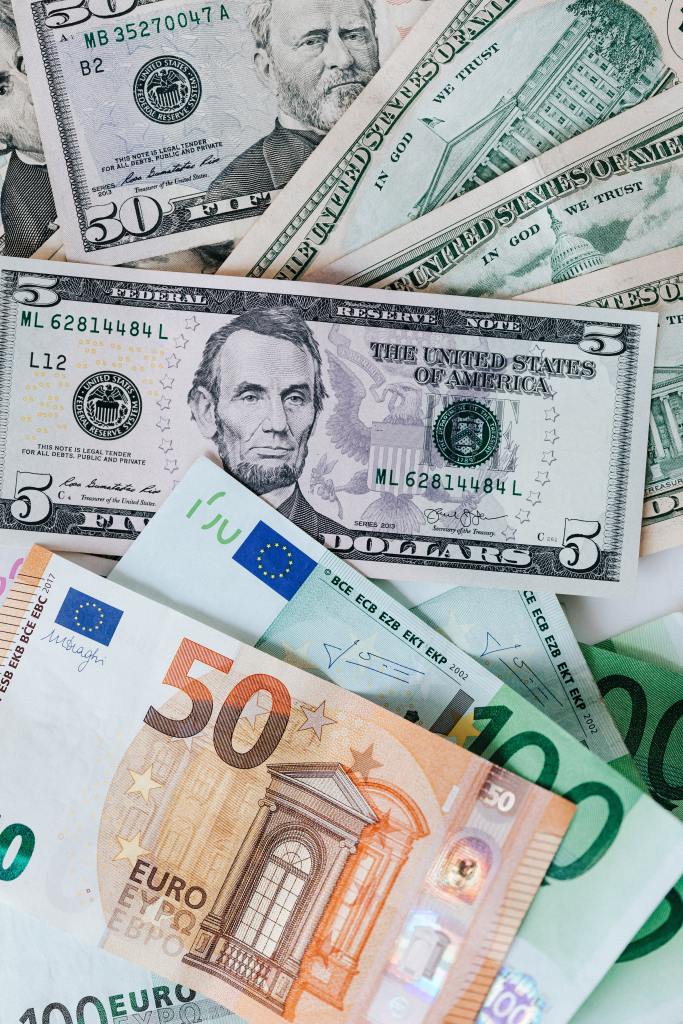
Each time a remote worker converts one currency into another, for instance US Dollar to Ghana Cedis, there’s a strong possibility of incurring fees and unfavorable exchange rates from banking firms or currency exchange services. These costs can add up over time and when this happens it reduces the value of their money. This, poco a poco becomes a risk.
INCOME VARIABILITY
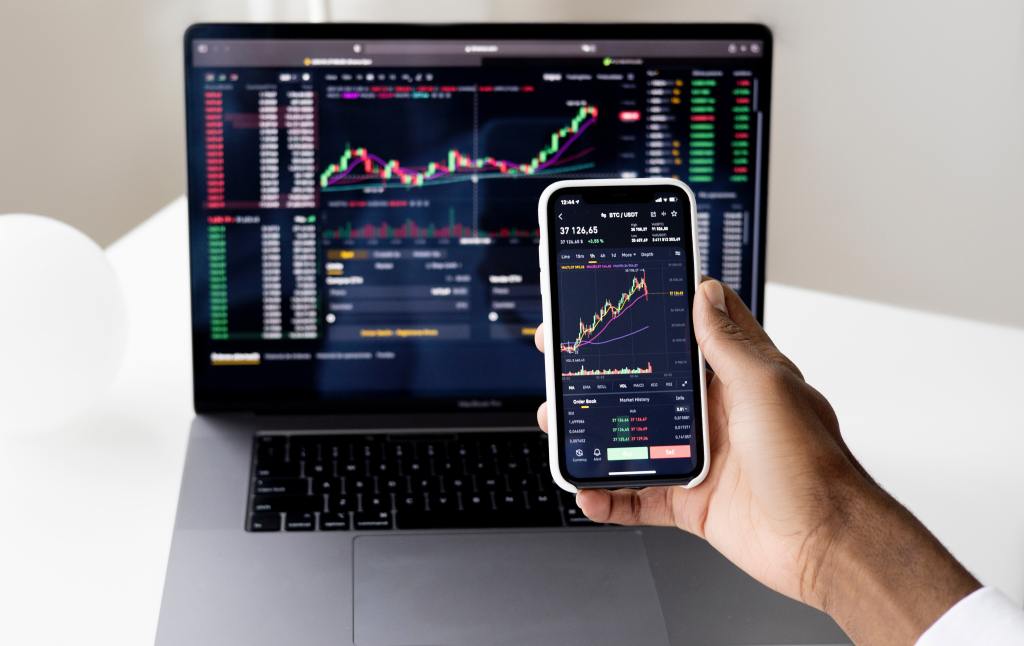
Many digital nomads earn income from freelance work, remote jobs, or online businesses. If they receive payments in foreign currencies, the value of their earnings can vary based on exchange rate fluctuations. This in essence means that a sudden drop in a currency’s value can reduce the real value of their income. So they may be working for a particular amount but when paid the currency’s value may decline causing loss. On the bright side, the value of currencies rises as well.
BUDGETING CHALLENGES
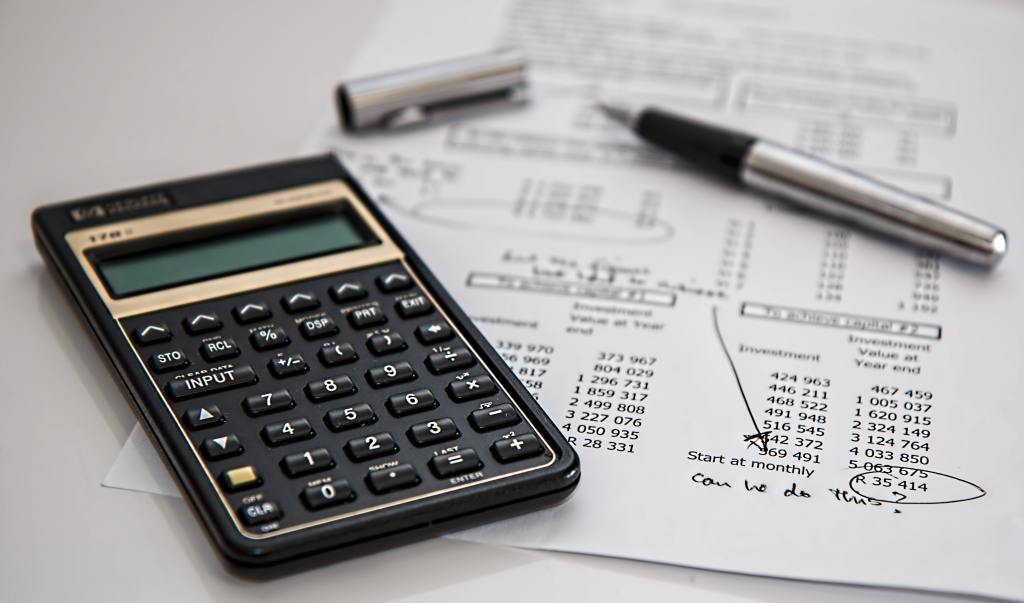
Managing finances in multiple currencies can sometimes be very complex. Exchange rate fluctuations make it extremely difficult to predict how much money will be needed for future expenses. This results in challenges in budgeting and ultimately leads to financial instability.
CURRENCY EXCHANGE TIMING

To make a decision on when to convert currency can be really herculean herculean most of the time. Digital nomads or remote workers may have fears, worries and concerns about making exchanges at unfavorable rates and losing money in the process.
ECONOMIC AND POLITICAL FACTORS

Exchange rates are influenced by various factors, including economic conditions, political stability, and global events. If remote workers are exposed to these factors, it will definitely affect the value of the currencies they hold.
IMPACT ON SAVINGS AND INVESTMENTS
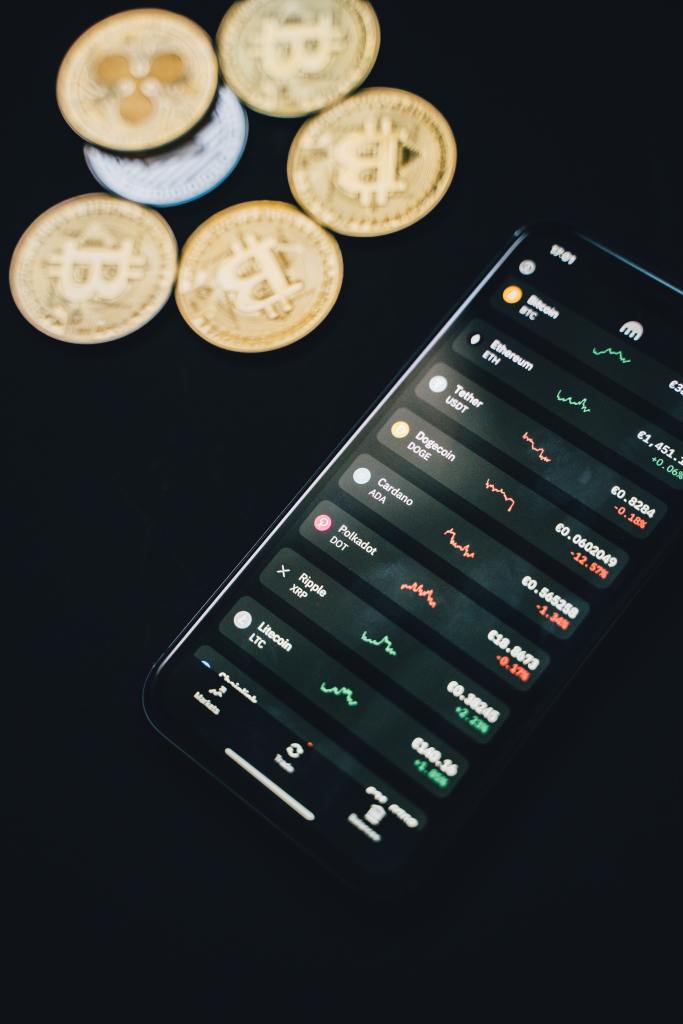
Digital nomads may need at one point or the other to save or invest their money in different currencies or assets. Exchange rate fluctuations definitely will impact the value of their savings and investments. Potentially this may be a lead towards losses. On the other flip of the coin, it may lead to gains if the fluctuations are high.
TRANSACTION SECURITY
Most remote workers are heavily reliant on online banking and mobile apps for transactions. Fluctuating exchange rates can affect the security of transactions and may lead to unforeseen issues when making payments or managing finances.
Notwithstanding the existence of these risks, a framework for the mitigation and management of these risks is existent. To mitigate these risks, remote workers should utilize financial tools and services such as:
• Multi-currency bank accounts or wallets that allow them to hold and manage multiple currencies. E.g are Grey, Geegpay, Trust wallet, trezor, SEE MORE

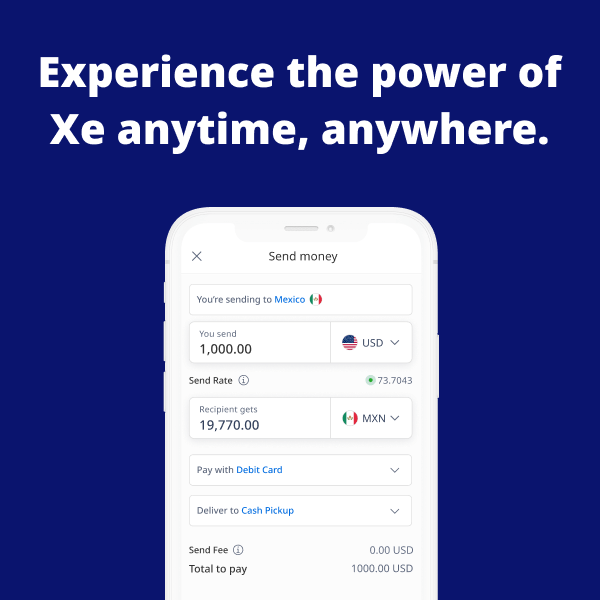
• Currency exchange apps that provide real-time rate information and competitive conversion rates such as XE currency converter, Transfer wise SEE MORE
• Hedging strategies, such as forward contracts or options, to protect against unfavorable exchange rate movements for future transactions.

• Regular monitoring of exchange rates and careful planning to make informed financial decisions.
Conclusively, remote workers digital can minimize the impact and risk of currency fluctuations on their financial stability and ensure a smoother experience while working internationally by staying updated and informed about exchange rate trends and using appropriate financial tools as the ones listed above. If you’re one of them, do atleast one of them!
 legally