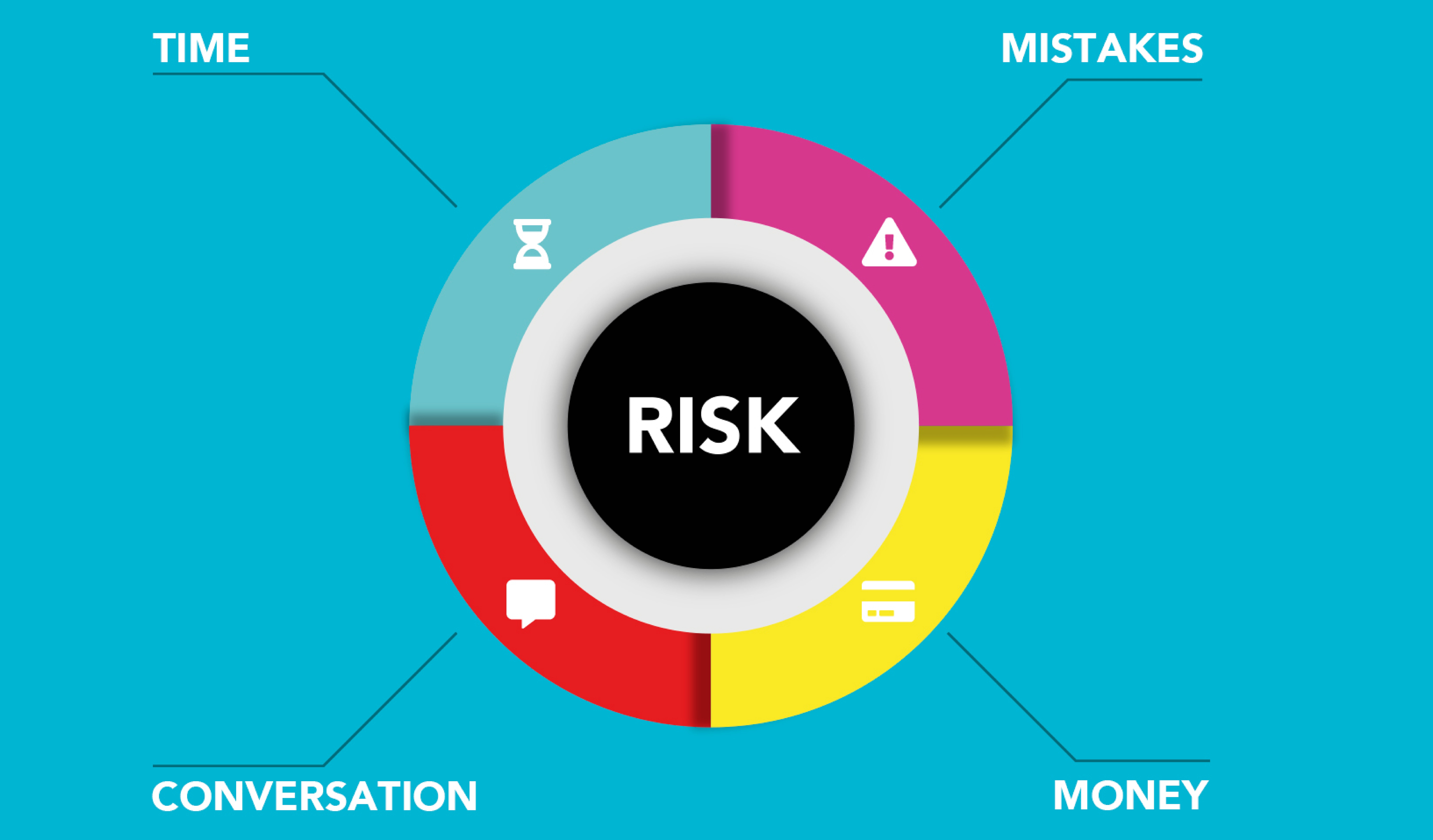
A necessary evil private capital investors face in the cause of investments is risk. In economic terms, risk is the likelihood that the actual gains or returns from an investment may deviate from what was initially anticipated or expected.
As necessary and inevitable as risks may be to private capital investors, they can still be managed with certain techniques and methods. This article sheds light on these methods and measures.
DIVERSIFICATION

If an investor spreads investments across multiple companies, industries, or asset classes, for instance real estate, healthcare and technology, the propensity for risk mitigation becomes very high. The workings are very logical at the same time simple: the impact of poor performance in one investment on the overall portfolio will be reduced. This diversification manages the risk of private capital investments. If you’re looking to invest in private capital, make sure to diversify.
DUE DILIGENCE

Many investors overlook the importance of due diligence when investing. The consequence of this is that so many avoidable risks become unavoidable and ultimately harmful for a good private capital investment. Investors should conduct thorough due diligence before making investments.
This should be inclusive but not limited to assessing the investee company’s financials, management team, market potential, competitive landscape, and potential risks. If due diligence is carried out when investing, the risk of private capital investments will be managed maximally.
RISK ASSESSMENT

Every sector investment has its unique risks. Real estate investments for instance have location risks and tenant risks. FinTech investment also suffers cyber security risks and interest rate risks. As a private capital investor one should identify and quantify the specific risks associated with each investment. Consider and access factors such as market risk, operational risk, regulatory risk, and competitive risk. Understanding these risks allows for better risk mitigation strategies.
EXIT STRATEGY PLANNING

Having a well-defined exit strategy in place before making an investment is very necessary for risk management in private capital investments. Once you’re well aware of how you can exit and when you plan to exit this will help you make informed decisions throughout the period of investment. Also include exit contingencies in your exit strategy planning such as identifying backup exit options or trigger events in case the primary exit plan encounters barriers.
INVESTMENT STRUCTURE

Investors should carefully structure whatever investment they are going into including terms, conditions, and covenants, to protect your interests. For example, an investor can include protective provisions or financial covenants that trigger specific actions if performance targets are not met. This mitigates risk in private capital investments.
ACTIVE MONITORING

An investor needs to actively monitor the investment he is embarking on to reduce the risk involved. The major things to do are to stay actively involved with the investee company. Regularly review financial reports, attend board meetings, and maintain open communication with the management team to promptly address any issues as soon as possible.
RISK MITIGATION CLAUSES

Risk mitigation clauses are very important in investment agreements. Risk mitigation clauses such as guarantees, collateral, or milestone-based funding should be included in investment agreements to reduce the impact of adverse events.
LEGAL AND REGULATORY COMPLIANCE

Investors should always make sure that all their investments comply with all relevant laws and regulations. If this doesn’t happen, such investment will likely face legal issues and the risk of being a failed investment will triple. Investors should engage lawyers and attorneys to direct and guide them through complex regulatory issues. This being so, investments are likely to be viable and the risks are reduced.
INSURANCE

Insurance plays a very vital role in private capital investments. Investors should always consider using insurance products, such as key person insurance or business interruption insurance, so as to protect their investments against unforeseen events that could impact the investee company’s performance.
LIQUIDITY PLANNING

As a private capital investor you need to ensure that you have sufficient liquidity to cover ongoing expenses and unforeseen circumstances. Having access to emergency funds can prevent forced, unfavorable exits. With this, the risks involved are potentially reduced.
Conclusively, risk is always inherent in private capital investments, and no particular strategy is a one size fits all approach which means that no specific approach can eliminate all potential risks. Notwithstanding, a cross-combination of these techniques can help investors to minimize exposure to risk and make informed decisions to protect their investments.
 legally